IN YOUR SPACE
Where it fits.
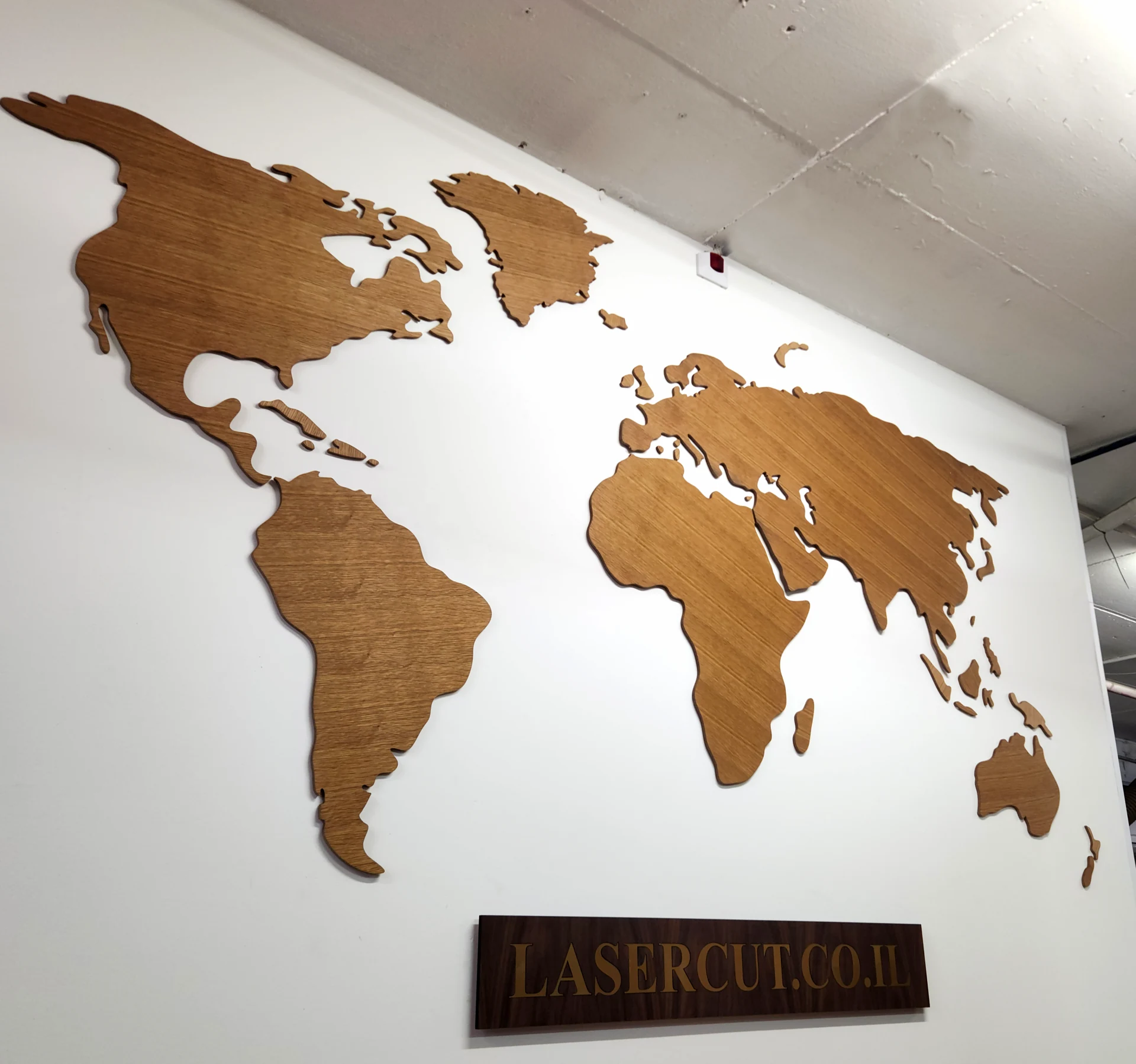
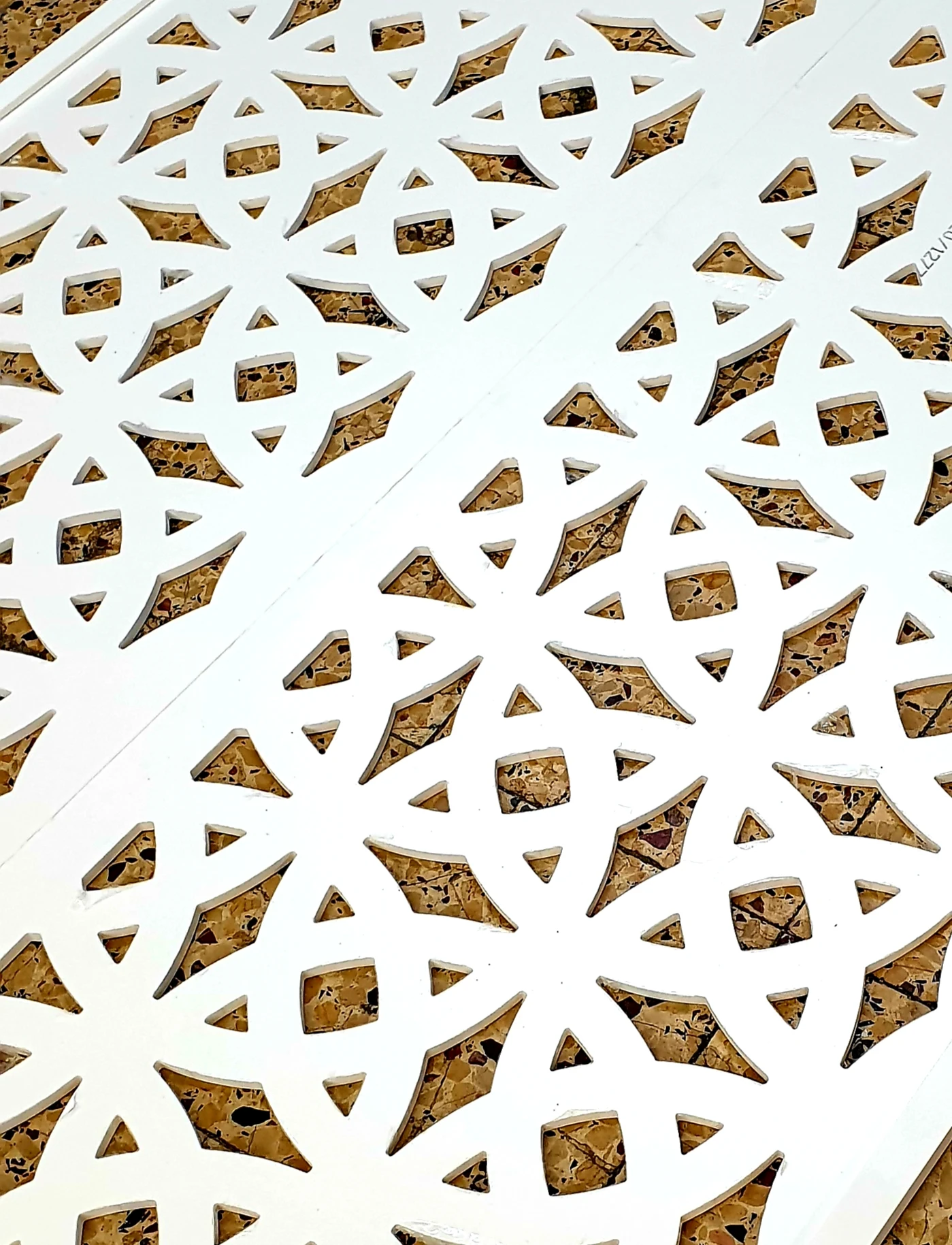
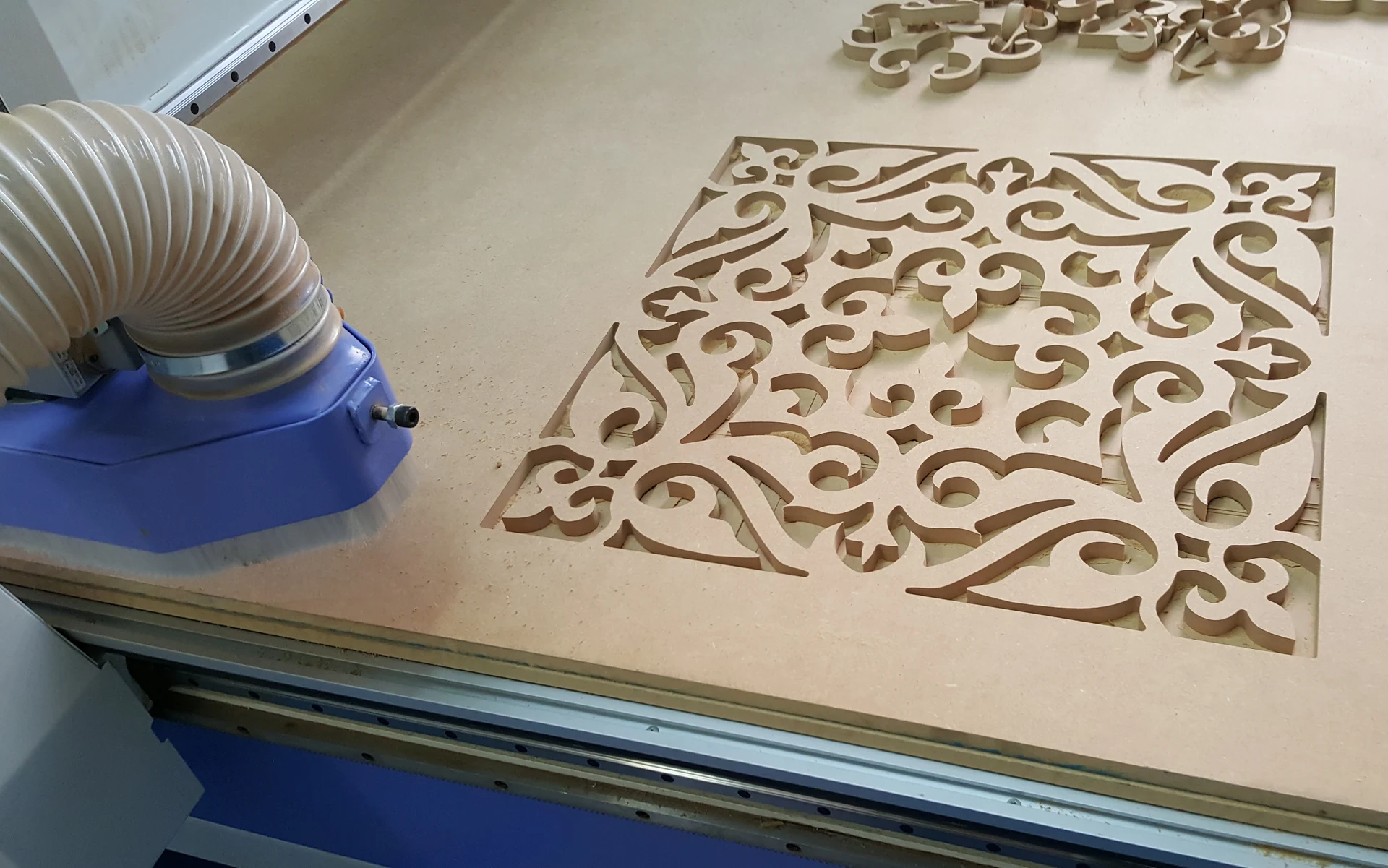
- Decorative screens and open patterns
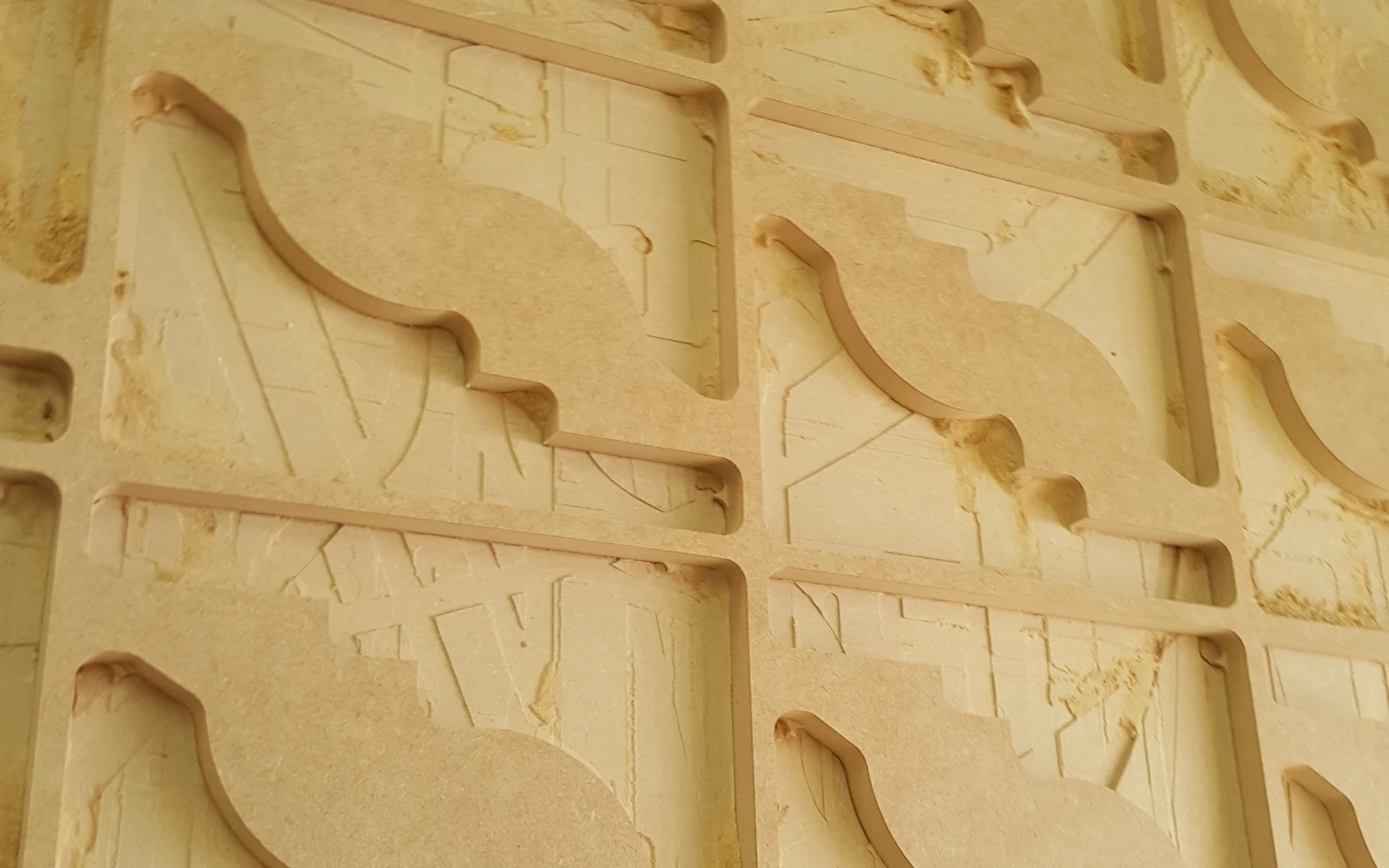
- Grooves, recesses and relief in panels
- Bespoke lettering and shaped components
Three choices that shape the result.
01
Cutting depth
Distinguish a through-cut from a partial-depth recess or relief. The choice affects both the shadow and the structure of the detail.
02
Lines and bridges
Line widths, openings and bridges between parts are adapted to the material and tooling. Small details are reviewed at actual scale.
03
From drawing to assembly
Define the part layout, fixing points and finish. A sample detail can be assessed before full production when needed.
BEYOND THE PHOTOGRAPH
A finish for everyday use.
Care depends on the material and finish, not just the manufacturing method. With dense patterns, consider cleaning access and exposed edges.
Before approval, review the sample, dimensions and fixing method together. The photograph illustrates the direction; the agreed specification defines your project.